
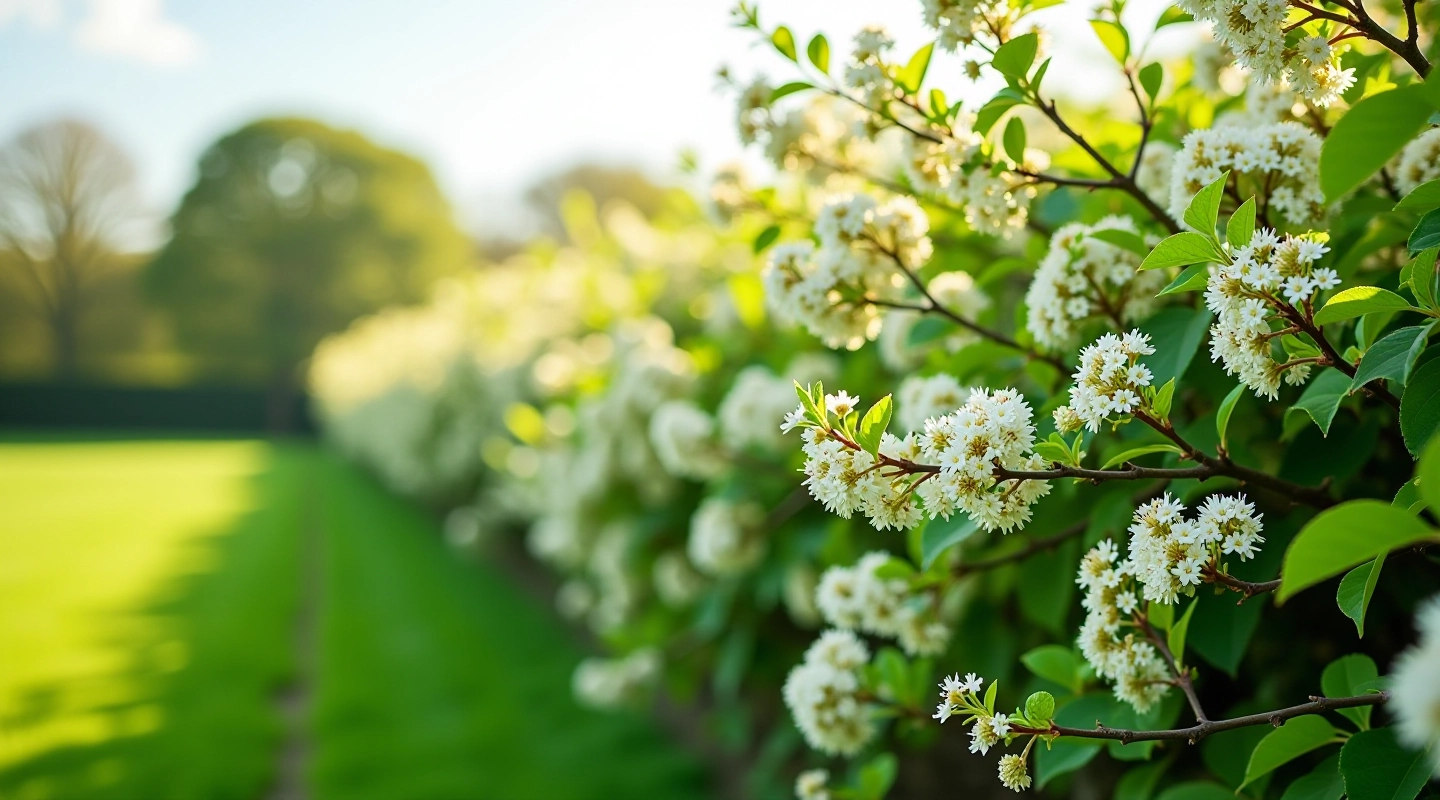
Complete Guide to Whitethorn Hedgerows
Everything you need to know about planting, spacing, and maintaining native whitethorn hedgerows in Irish gardens and farmland.
Read More9 min read • Beginner • July 2026
Why hazel works so well in this region. Learn about local varieties, proper spacing, and how hazel supports wildlife while producing useful materials.
Author
Written by the nordipeak Editorial Team, focused on clear, practical guidance for planting native hedgerows in rural Tipperary gardens.
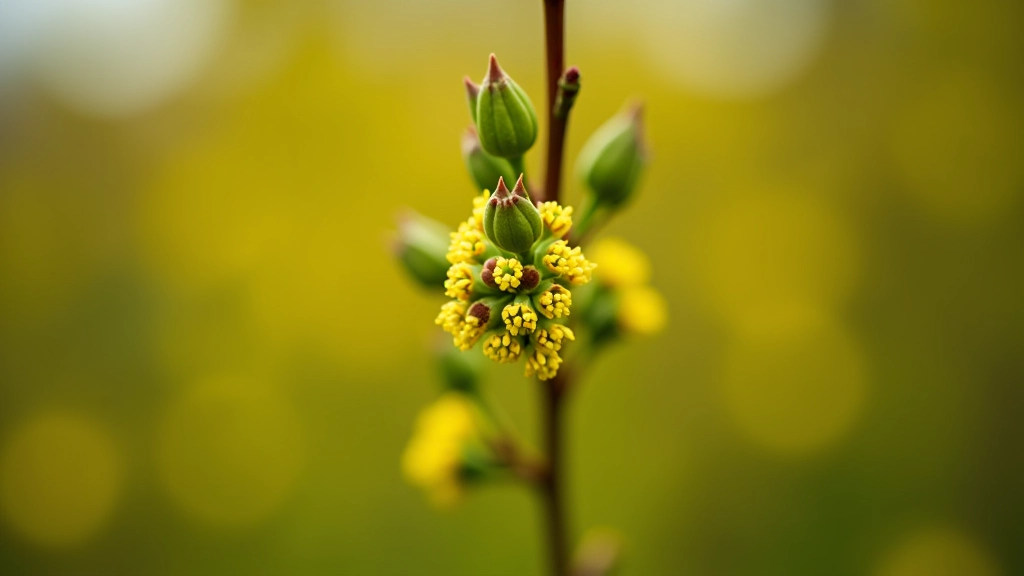
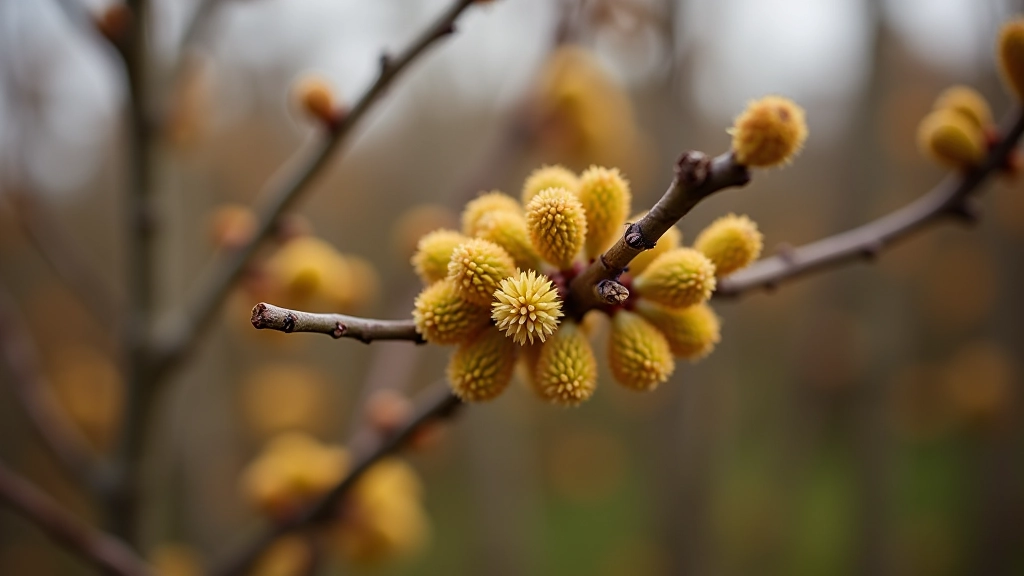
Hazel's been part of Irish hedgerows for centuries. It's not just because it looks good — though it does, especially in autumn with those golden catkins. The real reason hazel works so well here is that it's adapted to our climate. You'll find it growing naturally in woodlands across Tipperary, which tells you it's genuinely at home. Hazel tolerates wet winters, handles our soil types without complaint, and grows steadily year after year. Plus, it gives you something useful beyond just wildlife habitat. Hazelnuts aren't a massive crop, but they're there if you want them. More importantly, the wood itself has been used for centuries — walking sticks, thatching spars, woven panels. Modern gardeners often overlook this practical side.
The most common hazel here is Corylus avellana, the native European species. It's the right choice for most Tipperary gardens. You might hear about Turkish hazel or other varieties, but they're not suited to our conditions — they need warmer, drier summers. Stick with avellana and you won't have problems.
Plant size matters too. Container-grown plants establish faster than bare-root stock, though bare-root is cheaper if you're planting in volume. Most nurseries sell hazel as single-stem whips (about 60-90cm tall). These take 3-4 years to really fill out into a proper bushy plant. If you want faster coverage, look for larger stock, but expect to pay more. Budget around 3-5 years before your hedge looks properly established and dense.

Key spacing detail: Plant hazel 1.5 to 2 metres apart for a solid hedge. Closer spacing (1 metre) if you want a denser look faster, but expect slower individual growth. Wider spacing (2.5 metres) if you're on a budget — you'll fill gaps with supplementary planting later.

Hazel isn't fussy about soil. It'll grow in clay, loam, or sandy ground — which is helpful in Tipperary where soils vary quite a bit. What matters more is drainage. Hazel tolerates wet conditions better than many hedging plants, but it doesn't want to sit in waterlogged ground. If your site stays boggy even in summer, dig out some of the worst bits and work in gravel or grit to improve drainage.
Preparation's straightforward. Clear the line of any existing vegetation — nettles, dock, bramble — about 60cm either side of where you'll plant. You don't need to remove all the soil or dig deep beds. A good 30cm working width is enough. Mix in compost or well-rotted manure if your soil's poor (that'd be obvious — it's pale, dusty, or compacted). Most Tipperary garden soils are decent though, so this step's often optional.
Informational Note
This guide provides educational information about hazel hedgerow planting in Tipperary gardens. Site conditions, soil types, and climate vary considerably — what works well in one location may need adjustment elsewhere. If you're uncertain about your specific soil or drainage situation, consider getting a site assessment from a local agricultural advisor or experienced gardener. Results depend on many factors including climate, maintenance, and local conditions.
Autumn and early winter are the best planting windows — late September through November. Spring planting (March-April) works too if autumn's not possible. Avoid summer planting unless you can guarantee regular watering.
Dig a hole just deep enough so the soil line on the stem matches the level it was at in the pot or nursery bed. Hazel planted too deep often struggles. Backfill with your prepared soil, firm it gently, and water in well. Add a mulch layer — 5-8cm of wood chip or composted bark — around each plant. This keeps weeds down and helps retain moisture during dry spells. Don't pile mulch against the stem though; leave a gap of 5-10cm all around to prevent rot.
First-year care is about establishing good root systems. Water during dry spells — that's roughly every 10 days if there's no rain. A soaker hose laid along the line works better than overhead watering; it delivers water where roots need it. Most plants get away without stakes, but windy sites benefit from a single support stake for the first year.

Hazel's low-maintenance once established, but light management helps. In year two or three, you might lightly trim the sides to encourage bushier growth. Don't go mad though — hazel's not like formal hedging. You're aiming for a natural, slightly informal look. Hard pruning's only needed if plants get leggy or overgrown, which rarely happens if you plant at decent density.
The wildlife value is significant. Those winter catkins attract early bumblebees and other insects when little else is flowering. The leaves feed hazel leaf-roller beetles (completely harmless to the plant). Hazelnuts are food for squirrels and birds. The dense growth provides shelter and nesting sites. If you want to maximize wildlife benefit, avoid heavy pruning during nesting season (March-August). A light trim in late winter (February) or autumn (September-October) is fine.
Hazel rarely needs pest or disease control. Occasional fungal spots on leaves happen in wet years — they look bad but don't harm the plant. Hazelnuts sometimes get attacked by weevils, but again, this's minor. The plant's genuinely robust once it's past year one.
Hazel's an excellent choice for Tipperary gardens if you want a native hedgerow that's genuinely useful, low-maintenance, and good for wildlife. It's not the fastest-growing option — you won't get a mature hedge in two years — but it's reliable. Five to six years in, you'll have a dense, productive hedge that looks good year-round and supports insects, birds, and small mammals. That's worth the patience.
Start with healthy stock from a reputable nursery, prepare your ground properly (even if that's minimal), plant in autumn, and water through the first summer. After that, mostly just let it grow. Combine hazel with whitethorn for a mixed native hedge, or keep it pure if you prefer the uniformity. Either way, you're creating something that'll be there for decades and actually improve your landscape.
Everything you need to know about planting, spacing, and maintaining native whitethorn hedgerows in Irish gardens and farmland.
Read More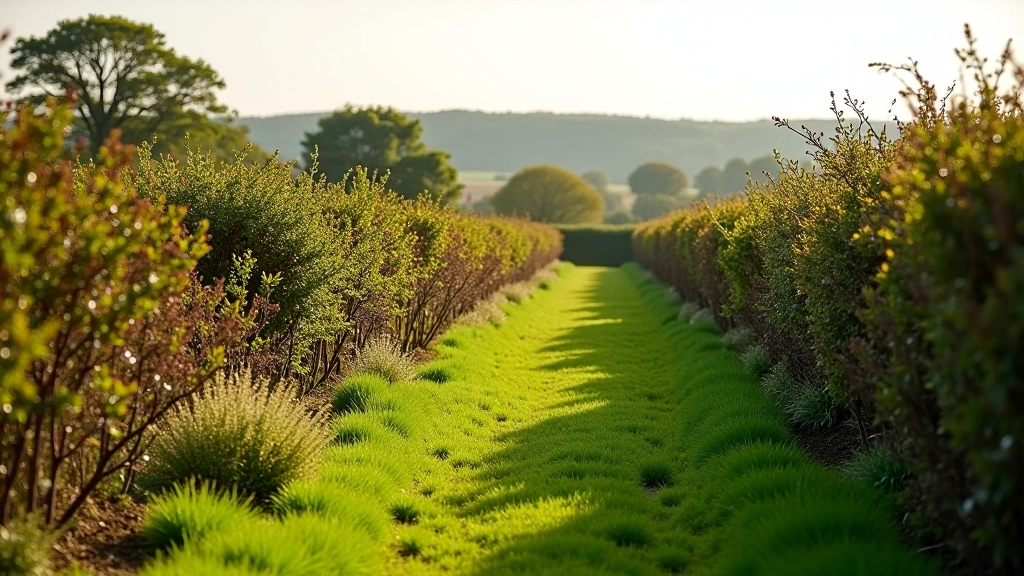
Design hedgerows that blend both species for visual interest, extended flowering, and enhanced wildlife benefits across seasons.
Read More
Step-by-step instructions for planting your hedgerow. Covers site preparation, timing, mulching, watering, and first-year care schedules.
Read More