
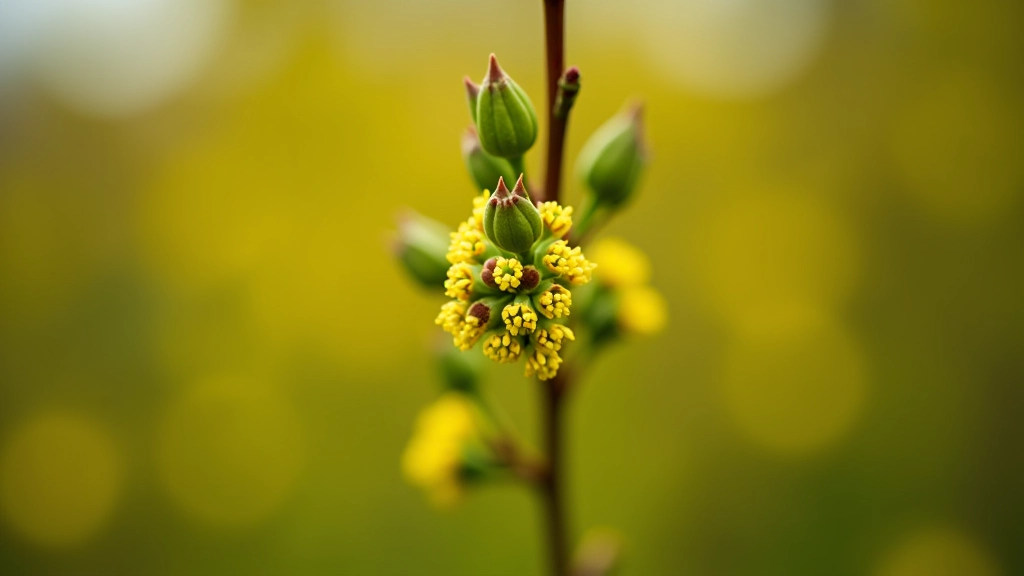
Hazel Hedgerows for Tipperary Gardens
Why hazel works so well in this region. Learn about local varieties, proper spacing, and establishment techniques.
Read GuideEverything you need to know about planting, spacing, and maintaining native whitethorn. Covers soil preparation, seasonal timing, and what to expect in your first five years.
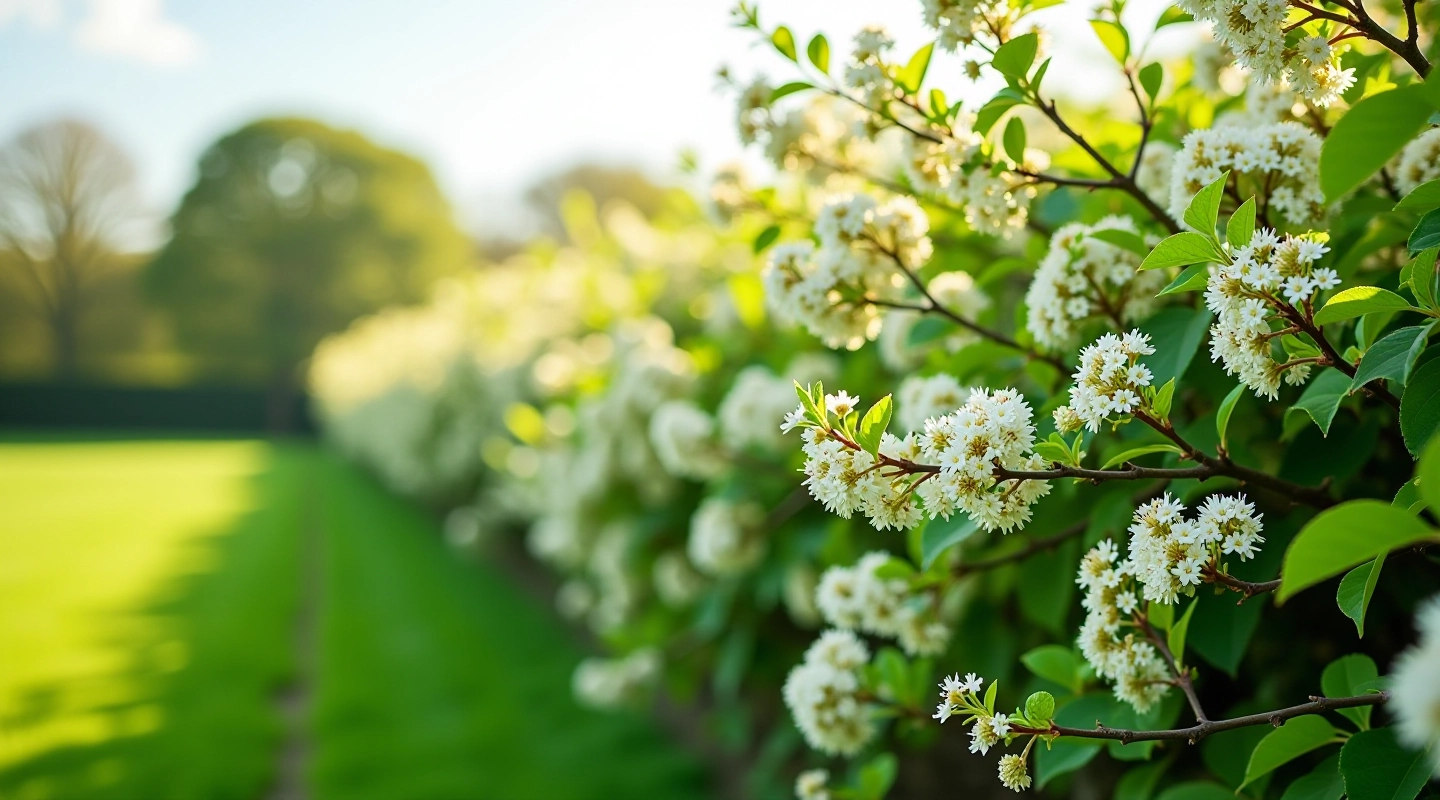
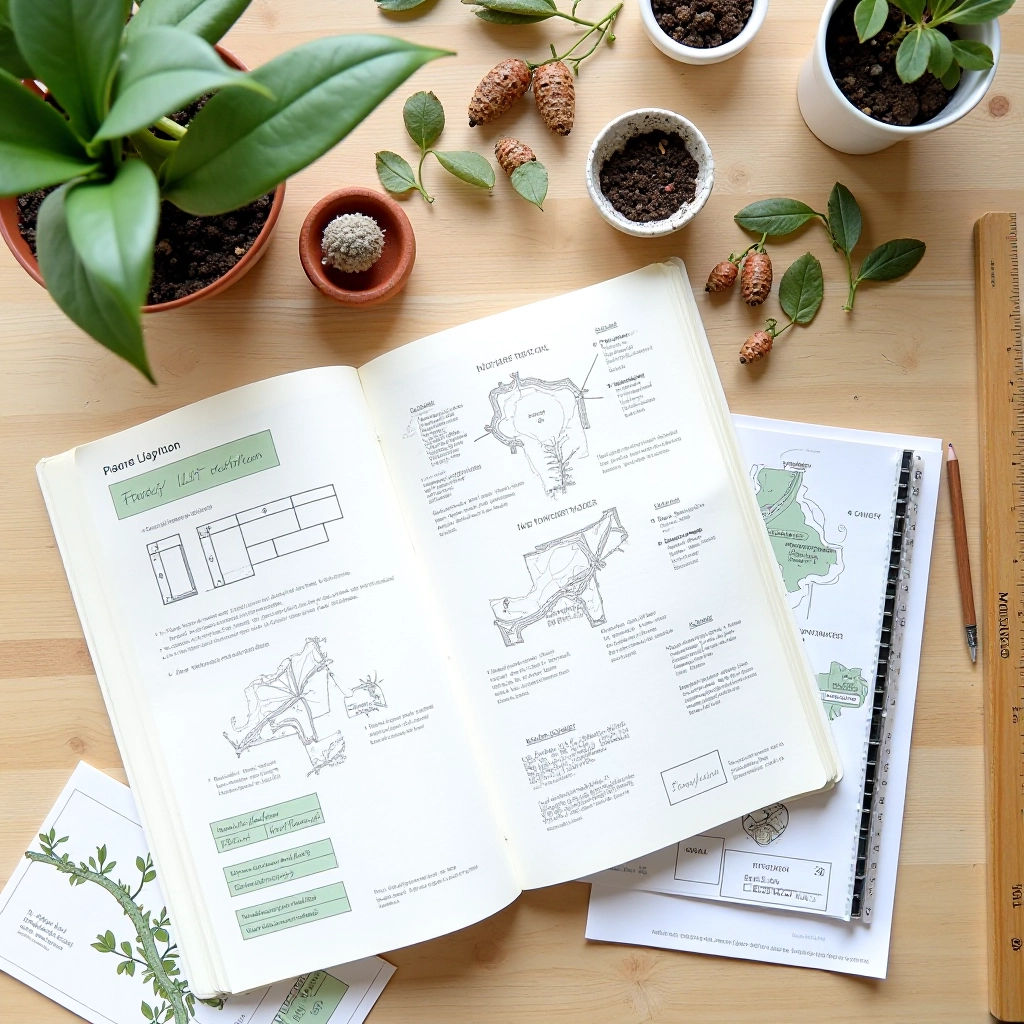
Whitethorn — also called hawthorn or Crataegus monogyna — is one of the most reliable native hedging plants you can choose for rural Tipperary gardens. It's tough, it grows fast, and it looks stunning when it flowers in spring. But there's more to successful whitethorn hedges than just planting and hoping for the best.
This guide walks you through everything from soil prep to your first five years of growth. You'll learn spacing, timing, pruning techniques, and what to expect seasonally. We've focused on practical details because that's what actually matters when you're standing in a field trying to establish a new hedge.
Native to Ireland, whitethorn adapts to most soil types, establishes quickly, provides excellent wildlife value, and responds well to regular pruning. It's the backbone of traditional Irish hedgerows for good reason.
Whitethorn tolerates poor soil better than most plants, but that doesn't mean you can ignore preparation. The difference between a struggling hedge and a vigorous one often comes down to what you do before planting.
Start by removing any competing vegetation — grass, weeds, brambles — from your planting line. You don't need to clear a huge area, but 60 centimetres either side of where you'll plant makes a real difference. If the ground's compacted, work it over with a fork. Whitethorn roots need some give, especially in the first year.
Most soils in Tipperary work fine for whitethorn. Neutral to slightly alkaline is ideal, but it'll manage on acidic ground too. If your soil's waterlogged in winter, that's worth addressing — whitethorn doesn't like standing water. A slight slope or raised bed can solve this without major work.
Add some compost or well-rotted manure into the planting holes if you've got it. Not essential, but it gets young plants off to a faster start. About 5-10 centimetres mixed into the soil around each plant is plenty.


How far apart you plant whitethorn depends on what you want from your hedge. Tighter spacing gives you a denser barrier faster, but costs more upfront. Wider spacing is cheaper initially but takes longer to fill in.
For most rural hedgerows in Tipperary, 45 to 60 centimetres between plants strikes a good balance. You'll get decent coverage by year three or four without overplanting. If wildlife benefit is your priority — and it should be — tighter spacing (30-40 centimetres) creates better habitat faster.
Double rows work well for exposed sites. Offset the second row by 30 centimetres and you get a thick windbreak that's genuinely impressive by year five. But this doubles your plant cost, so factor that in.
Plant in autumn or early spring when the ground isn't frozen or waterlogged. November through February is the window. Avoid planting in deep frost or during dry spells — whitethorn needs moisture to establish, especially that first year.
This guide provides educational information about whitethorn hedgerow planting based on established horticultural practices. Local conditions, soil types, and climate factors vary significantly. We recommend consulting with local agricultural advisors or experienced hedgerow specialists before beginning large-scale planting projects. Always check local regulations regarding native species and hedgerow management in your area.
Your first winter after planting, resist the urge to do much. Let the plants establish their root systems. A light tidy-up to remove any dead wood is fine, but don't cut hard.
By year two, you'll start seeing real growth. In late winter (February or early March), cut the hedge back by about a third. This encourages branching and density. Whitethorn responds brilliantly to pruning — each cut point branches into multiple stems.
Summer trimming keeps the hedge tidy without major stress. A once-over in late June or July, removing new growth back to the main outline, keeps everything in shape. Don't cut too close to the ground — you'll want the hedge thickening at the base, not thinning.
Every three to five years, do a harder prune. Cut back to about 60 centimetres high, leaving just the framework. This rejuvenates old hedges and maintains vigor in younger ones. Spring (March to April) is the safest time for hard pruning because birds have finished nesting.
Spring (April-May): Whitethorn flowers — don't cut during this time. You'll lose the blossom and it's when birds are nesting.
Summer (June-July): Light trimming for shape. Growth is fast now.
Autumn (September-October): Second light trim if needed. Hedge hardens off before winter.
Winter (November-March): Main pruning period. Hedge is dormant and birds have moved on.
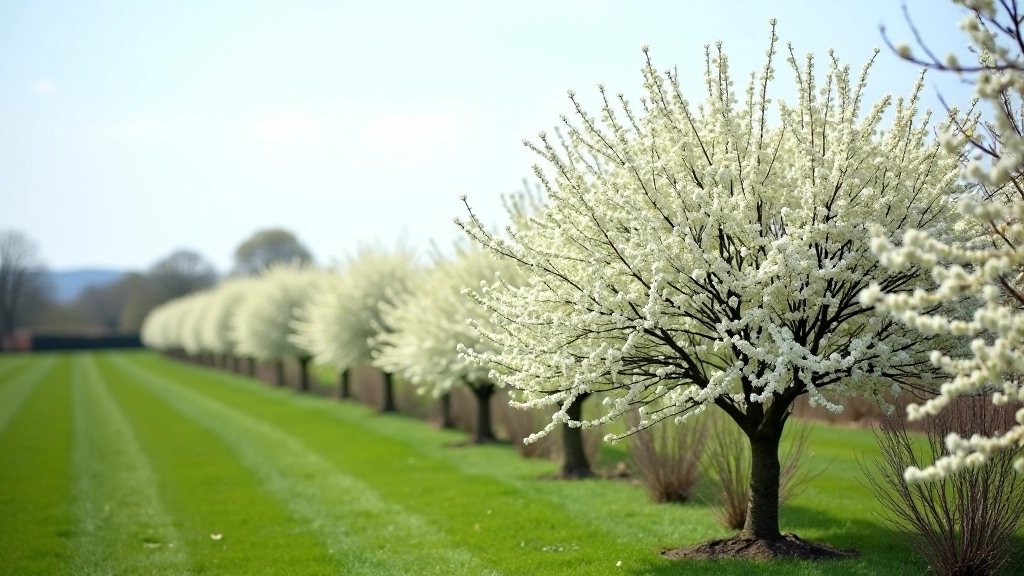
Your first year is all about establishment. Whitethorn grows about 30-40 centimetres in that initial season if conditions are decent. Keep the area weed-free around the base — competition from grass really slows growth. Water during dry spells in summer, particularly the first year.
By year two, you're looking at 50+ centimetres of growth. The hedge starts looking like something. Begin that light pruning now to shape it and encourage bushiness rather than vertical growth.
Years three and four see the hedge really filling out. You'll get that white blossom in spring, which is one of the best bits of owning a whitethorn hedge. Berries follow in autumn — brilliant for wildlife and genuinely beautiful.
By year five, you've got a proper hedge. It won't be impenetrable yet — that takes another 3-4 years — but it's functional and looks the part. From here, it's just regular maintenance pruning to keep it healthy and dense.
Whitethorn's pretty robust. You won't deal with many serious problems if the plant's established and growing well. The biggest issue is usually poor establishment in year one — that's more about water and weeds than pests.
Hawthorn leaf spot can show up in wet springs. Brown spots on leaves, sometimes causing early leaf drop. It's unsightly but rarely kills the plant. Improve air circulation by removing lower branches and it usually settles.
Whitethorn beetles and sawfly larvae occasionally appear. Birds handle most of these naturally. If you see leaf damage, don't panic — a healthy hedge bounces back. Chemical sprays aren't worth it on hedgerows.
The real killer is poor drainage or extreme neglect. Whitethorn can't sit in waterlogged soil for extended periods. If your site floods regularly, address drainage before planting. And don't let grass smother young plants — that'll kill them faster than any pest.

Explore more about native hedgerow planting
Why hazel works so well in this region. Learn about local varieties, proper spacing, and establishment techniques.
Read Guide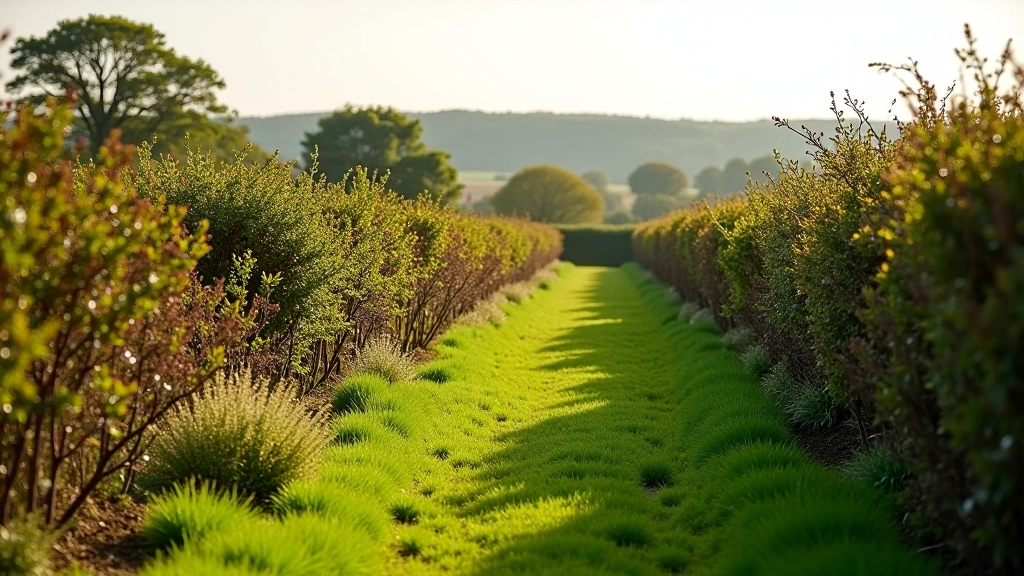
Design hedgerows that blend both species for visual interest and wildlife benefit throughout the year.
Read Guide
Step-by-step instructions for planting your hedgerow. Covers site preparation, timing, and what to expect in those crucial first months.
Read GuideWhitethorn hedgerows aren't complicated to establish. They're forgiving plants that'll reward you with fast growth, beautiful spring blossom, and genuine wildlife benefit. You don't need special equipment or expert knowledge — just decent soil prep, sensible spacing, and regular pruning.
Start small if you're new to this. A 50-metre stretch teaches you everything you need to know. You'll see how the plants respond to your site, learn the pruning rhythm, and build confidence for expanding later.
The real satisfaction comes in year three or four when you've got a proper hedge. It's genuinely useful — windbreak, boundary, shelter for wildlife — and it's something you've built yourself. That's worth the work.
Ready to start? Check our planting checklist for a month-by-month guide to getting your hedge in the ground.